
One buyer really likes the shade, yet later in the day the cap no longer feels comfortable. Another appreciates the natural-looking hairline but doesn’t want to spend twenty minutes adjusting the lace every morning. For a third buyer, the visual appeal is not the issue. It is the unexpectedly heavy feel created by the wig’s density.
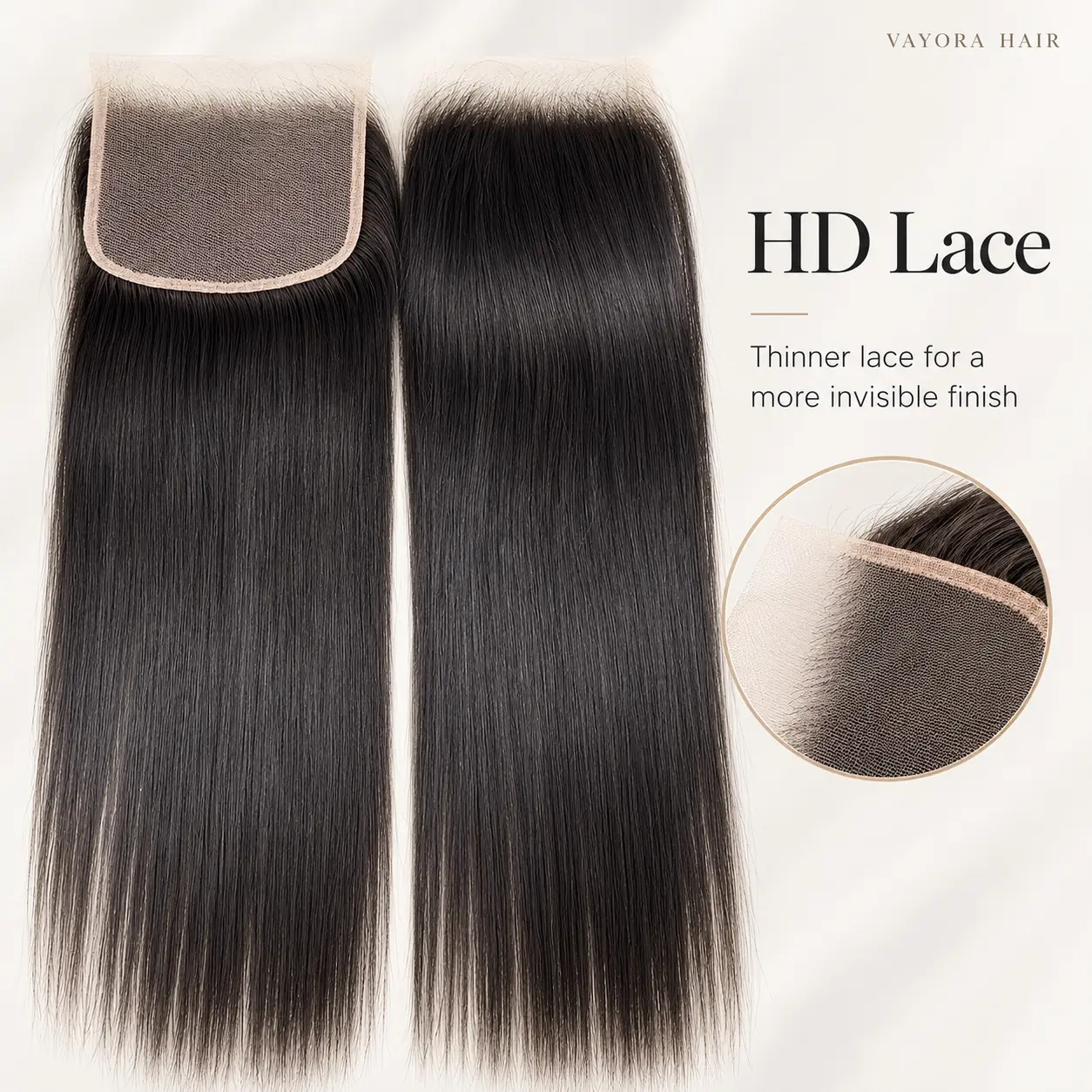
Image credit: vayorahair.com
For a wig brand, these comments are more than customer feedback. They reveal opportunities to develop products people will genuinely enjoy wearing.
Successful wig collections aren’t necessarily built around the latest viral hairstyle. A collection should begin with the wearer’s needs and the experience they want when they put it on.
What Buyers’ Concerns Reveal About Product Needs
Buyers seldom use technical manufacturing language to explain what they need. How comfortable the wig feels, ease of use, how it looks and how confident the wearer feels are what customers describe. A request for an easier morning routine might point toward a glueless construction. If customers find the hairline unrealistic, the team may need to review knot treatment and the look of the lace, along with the density or design of the part.
When selecting a human hair wig manufacturer China brands should look for the ability to translate ordinary customer concerns and convert them into measurable product specifications.
A request for a 22-inch body-wave wig can go much further: buyers can specify the desired wearing experience, cap fit, lace construction, hairline appearance, and finished weight. That level of detail gives the development team a clearer target.
Develop a Recognizable Private Label Collection
Many emerging wig brands make the mistake of building their catalogs around whatever products are currently popular. Other wig shops may end up offering very similar collections.
A collaborative relationship with a private label wig manufacturer China retailers choose can help a brand shape a consistent product identity. The identity might be expressed through a lightweight everyday collection, a premium natural-hairline line, or ready-to-wear products intended for customers who prefer minimal preparation. The shared customer commitment should guide texture, length, color, density, cap construction, and packaging. A recognizable collection gives shoppers a reason to return beyond a temporary discount.
What Really Counts in Glueless Wig Construction
A glueless label may be simple, yet how the wig feels during wear is shaped by a number of design choices. Cap sizing, adjustment features, attachment components, lace preparation, and hairline design all influence how comfortably and securely a wig fits.
A buyer working with a glueless wig manufacturer China brands select should expect help in defining these requirements before manufacturing starts. An easy-to-manage density, pre-cut lace, and simple adjustment features may be particularly important when the intended customers are new to wigs. The customization requirements for a professional stylist’s collection may be different. There is no automatic advantage for either approach. What distinguishes them is the buyer each is designed for.
Evaluating Samples and Brand Reputation
There are qualities of a wig that cannot be assessed from a photograph by itself. Does the cap fit properly? How does the hair move? Buyers also need to check whether the color meets expectations and the finished construction reflects the approved design. Before a larger order is placed, sampling can help reveal departures from expectations.
For a wholesale human hair wigs supplier, documented specifications and quality-control procedures are especially important when the same style must be produced repeatedly. A lack of clear reference materials can make it difficult to reproduce the results of a successful first batch reliably.
Build a Collection That Can Grow
For B2B wig brands, retailers, and distributors, VAYORA provides support across product development, private label services, sampling, specification control, and repeat-production workflows. The focus is on linking what wearers expect with the physical characteristics responsible for how the wig looks, fits, and feels.
Prior to expanding a product range, brands should examine customer feedback, pinpoint their strongest product opportunities, and set clear approval standards. A stronger next lineup might not depend on adding more styles. Instead, success may come from addressing compromises in the styles customers already seek.