
Connected devices are a key part of modern business. They store data, automate procedures, and allow for smarter operations. The administration of a fleet of devices in multiple locations, especially as they grow, could be overwhelming. Operation of devices requires continuous technical expertise and attention. From security compliance to performance optimization and software updates, all of them require constant attention. Managed services that are structured can make the process easier.
Many companies start by searching for a free Raspberry device management software in order to save money upfront. These free tools can provide basic monitoring and remote access however they don’t provide the lifecycle management needed for large-scale deployments. With the growing number of devices on networks, companies require more than just dashboards and manual control. They need a unified system that can handle security, provisioning monitoring of performance, compliance reporting and compliance tracking in a seamless manner.
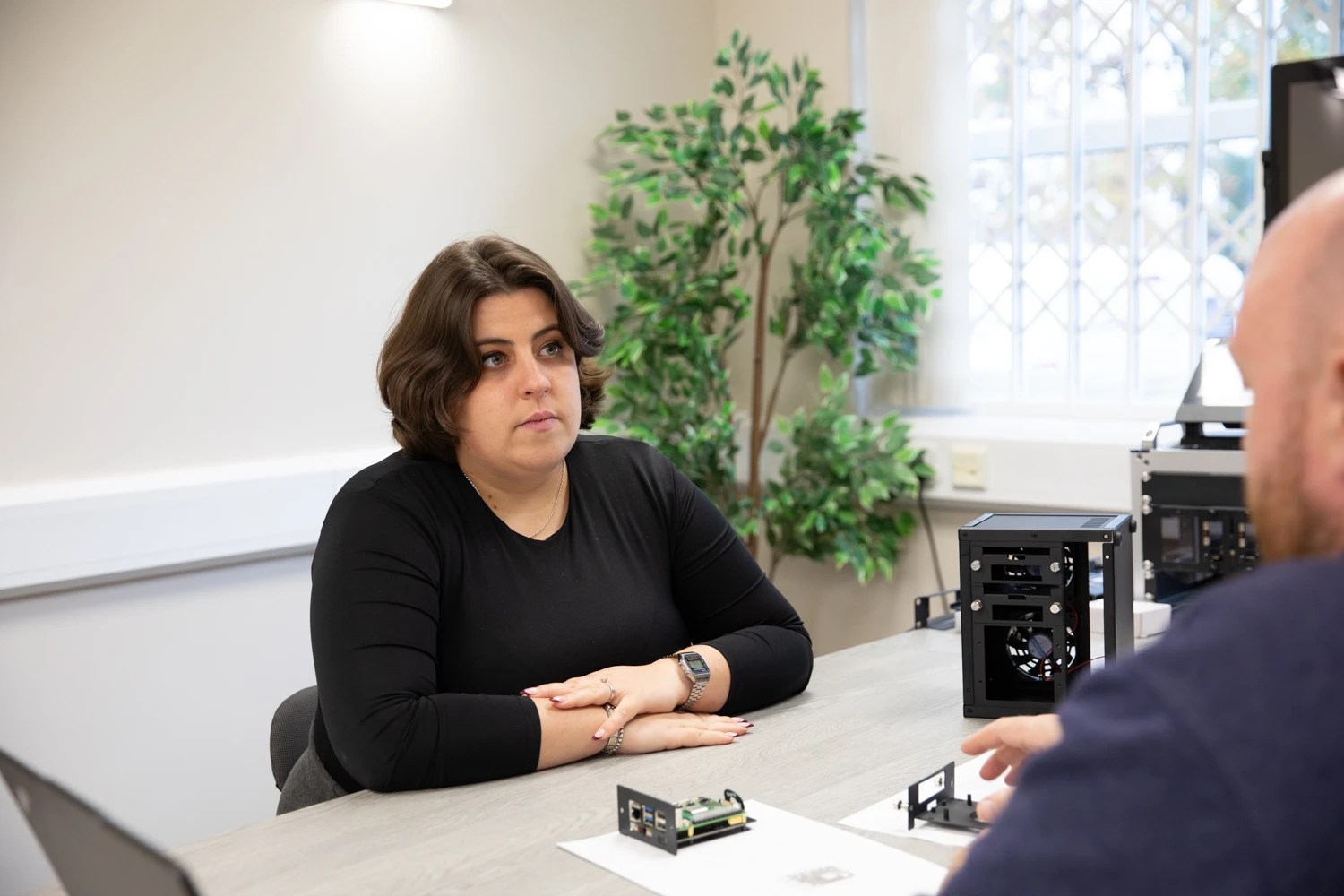
The internal team is freed of the burden of daily operations thanks to a fully-managed infrastructure. Businesses can instead focus on growth and development, instead of fixing and troubleshooting equipment and systems. A framework that is unified is used to manage, configure, and maintain every device to ensure consistency and security. This system reduces the time to downtime and eliminates security risks that result from misconfigurations and erroneous updates.
A Partnership Model for Scale
A successful IoT ecosystems are rarely built in isolated. They require an intelligent architecture and constant improvement. Working with an Raspberry Pi design expert, you can be sure that your hardware selection, architecture and software are in line with your goals for operation. This partnership approach, instead of treating deployments as one-time projects, creates a foundation that can be scalable to meet the business needs.
Each managed service engagement adapts to the environment of the client and covers the integration of hardware, device management platforms, and technical support in a single operational agreement. This unified approach eliminates fragmentation of suppliers and simplifies communication. Business owners can now have named technical contact, agreed service level agreements and transparent reports that keep all the stakeholders updated.
To ensure uniformity among devices throughout the world, procedures for provisioning and configuring are common. Every unit is built before being tested and recorded prior to deployment in order to guarantee uniformity from the beginning of. Continuous telemetry gives engineers in-depth insights into the device’s health and stability. This allows them to stop system failures from occurring and to detect irregularities before they escalate.
Continuous Improvement Through Continuous Management
The most important factor to ensure stable IoT environment is proactive maintenance and not reactive troubleshooting. Updates and patches are supervised to ensure that operating systems and applications remain stable and secure. Updates are thoroughly tested prior to deployment to avoid disruptions and ensuring uptime across networks distributed.
The operational workflow is also a part of regulations for compliance. No matter if organizations need to comply with ISO standards, SOC2 frameworks, or internal policies on governance, the reporting processes are aligned with regulatory expectations. This method of auditing that is structured decreases stress and increases security posture.
The value of managed services is further enhanced by performance optimization and planning. Regular system inspections can uncover upgrades in technology, energy efficiency, and workload balance. Instead of waiting for equipment to fail or become outdated infrastructure is constantly evolving in tandem with the growth of your organization.
Seamless Integration Cloud and Edge Technologies
Modern deployments usually require tight integration between the edge hardware and cloud-based ecosystems. Expert Azure IoT consulting helps businesses connect devices securely to cloud platforms while optimizing data pipelines, analytics workflows, and automation capabilities. This synergy helps improve decision making and increased productivity.
Professional IoT consultancy also ensures monitoring platforms as well as data governance frameworks and security protocols operate in harmony. Engineers monitor the performance of systems around 24/7, reacting to anomalies before they disrupt operations. Options for support that are scalable let companies grow as they are aware of the technical skills required as their devices’ fleet expands.
Simple: the goal is for the most advanced edge technology to feel seamless. Scaler PI helps make edge technology more easy to use by combining the practical expertise of hardware with the latest cloud technology, creating a streamlined environment where data, devices, and operations work together seamlessly.
A Smarter Way to Manage Device Infrastructure
Managed service providers provide an accountable single source for design, hardware monitoring and assistance. The ability to predict pricing eliminates budget surprise, while constant monitoring and automatic updates limit the risk of operating. Businesses have peace of mind that their infrastructure is safe and compliant, always performing at its best.
As IoT ecosystems continue to grow as they expand, the need for secure operating frameworks will grow more critical. A comprehensive managed service ensures the device networks are efficient as well as secure and future-proof permitting organizations to continue to innovate without being held back by management of infrastructure.