
Your security manager updates the risk register on Monday. Wednesday brings a change to a cloud access policy by a developer. By Friday, a revised security procedure has been uploaded, but the Statement of Applicability still lists the previous document.
At first glance, none of these changes seems particularly alarming. When an ISO 27001 auditor reviews the records, even small inconsistencies can become difficult to explain. The difficulty for a startup is maintaining consistent documentation without taking attention away from the business.
Why Separate Spreadsheets Demand Constant Attention
For many teams, spreadsheets offer a familiar and inexpensive way to organize information. However, spreadsheets can fall out of date without anyone noticing. At first, a small business might use different files for risks, policies, and control ownership. Separate files may be manageable early on; difficulties develop as updates happen in different places.
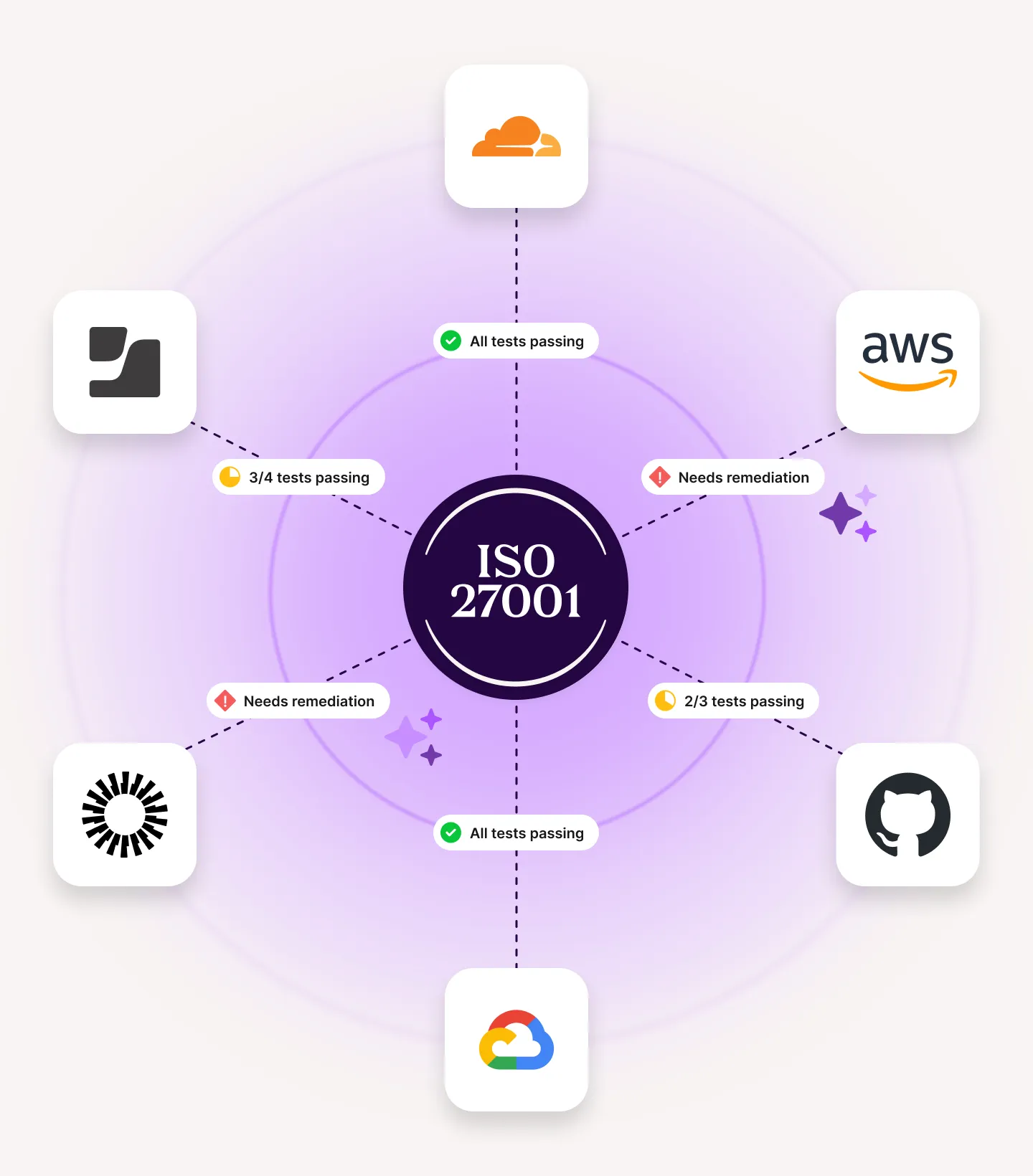
ISO 27001 compliance software offers an alternative by bringing related activities into a structured workspace. A shared workspace makes it easier to review control documentation and status together in one place.
The Question to Ask Before Buying Software
A new subscription only helps if someone maintains it, so ask first: Who will manage it day to day?
An eight-employee startup may need a simpler system than a large multinational organization. Founders may handle risk assessments, developers may maintain technical controls, and an operations manager may oversee documentation.
The right ISO 27001 software should make ownership easier to understand without adding complicated administrative tasks. Even a capable platform has limited value when the team stops using it.
The Statement of Applicability Connects Key Decisions
A Statement of Applicability should be treated as a substantive compliance record. The document records the controls the organization has selected, the reasons for those decisions, and their implementation status.
Using cloud infrastructure does not remove the need to consider physical security concerns, even when the provider manages the underlying buildings.
Clear documentation should explain the reasoning behind its control choices. A connected risk register and Statement of Applicability can make those decisions more straightforward to demonstrate during an audit.
Preparing for an Auditor’s Documentation Review
An auditor may ask to examine access management records, employee training evidence, security policies, or risk treatment decisions. If documents are scattered across different systems, locating the correct versions can slow down preparation. ISO 27001 certification software helps organize these materials, but it does not guarantee that the evidence is sufficient or that certification will be granted.
Whether the information security management system meets the standard is determined through an independent certification assessment. Keeping records clear and accessible helps the team respond to requests more efficiently.
How Smaller Teams Can Organize ISO 27001 Work
Startups comparing platforms should consider their available funds, internal resources, and actual compliance workload. CertAssist offers a straightforward option for businesses searching for the best compliance software for startups ISO 27001 certification. CertAssist brings together a risk register, a Statement of Applicability, editable policy guidance, evidence storage, ISO 27001 clauses, and Annex A controls.
It also supports direct auditor access without requiring integrations with company infrastructure. This approach may suit organizations that prefer to manage evidence themselves.
Keep Compliance Work Manageable as You Grow
Preparing for certification should not consume all the time needed to run the business. A manageable system supports accurate documentation, visibility into incomplete work, and preparation for an independent audit.
CertAssist aims to give smaller businesses a structured way to manage ISO 27001 without excessive administrative complexity. A long feature list is not, by itself, proof of usefulness. What matters is whether your team can keep its security responsibilities organized as the business grows.