
It’s not necessary for a pump station’s stoppage in working for it to become troublesome. It may still move the water and wastewater daily but struggle to meet peak demand, require increasingly frequent maintenance or rely on control systems which are becoming more difficult to maintain. The equipment functions, however its original design might no longer reflect the conditions surrounding it.
Planning for infrastructure improvements is essential for city officials, developers, and managers of facilities.
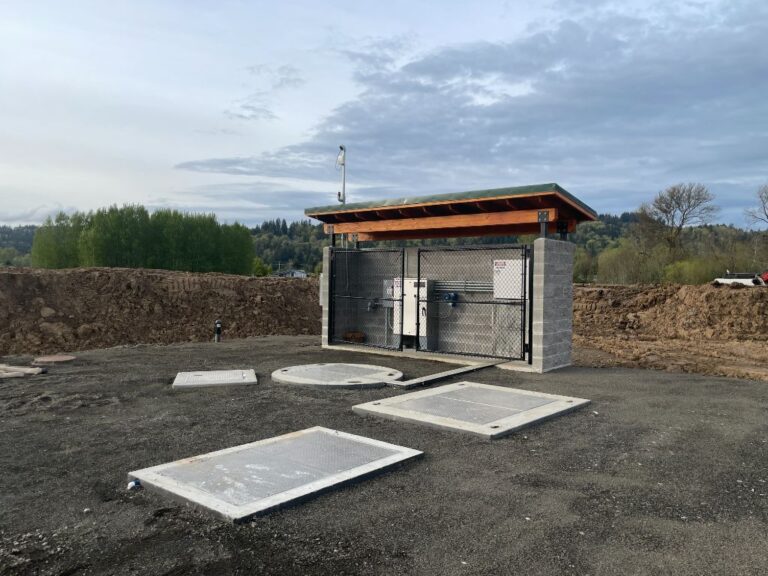
Image credit: romtecutilities.com
You must look beyond the equipment that is not working properly.
Retrofitting a wastewater lift station should begin with a thorough evaluation of the whole system, not just the pump that is failing. Engineers must examine the wetwell, mechanical equipment, and electrical components. They should also look at the discharge pipe and current requirements for pumping.
The state of the well is crucial. It may be possible, when the structure is in good condition, to keep it and replace outdated equipment. It may be cheaper to construct an entirely new station than if you decided to preserve the current one. It is essential to preserve the existing infrastructure, even if improvements are possible.
Did the area of service change?
A wastewater facility that was constructed decades ago could now be serving other commercial or residential properties, homes or industrial processes.
These changes may affect the flow rate as well as operating requirements. Rehabilitation of a lift station requires more than just restoring the original equipment specifications. Engineers should evaluate their current and future flows, total dynamic head capacity of equipment, as well as the operational reliability.
The answer isn’t always one that is bigger. The new equipment has to work with existing pipes, wet well, electric supply and controls. If one component is upgraded, this can lead to problems with the other components.
Retrofits to stormwater have different priorities
A stormwater pump station retrofit introduces additional considerations because runoff can change dramatically with rainfall and surrounding development. Stations that serve the detention pond could experience different patterns of inflow from those receiving water directly through storm drains. Any changes to drainage infrastructures like new pavements or expanded parking lots, may affect the timing and amount of water that can be available to the station.
Before recommending a proposed stormwater station upgrade, engineers must review the drainage area that contributes to the system the anticipated peak flows storage capacity, discharge conditions, and existing pump performance.
These findings will help to determine the extent to which modernization of equipment is sufficient or if a station is in need of more extensive reconstruction.
Plan Construction Before Interrupting Service
The operations of the station in rehabilitation is often forgotten. It is not possible to shut down wastewater systems without arranging for flow management.
Construction may include installing temporary bypass pumps, or relocating infrastructure that is adjacent to the station operating.
It is important to be prepared for stormwater projects, as the system could be required in unexpected rainstorms. The engineering plans must include the sequence of installation in addition to temporary operations and equipment integration.
Make the Finished System easier to operate
Romtec Utilities provides site-specific engineering and supply solutions for wastewater and stormwater pumping applications.
The company’s retrofit strategy identifies the structural, mechanical, electronic, and communications components can remain and which require replacement. The company gives owners preliminaries designs and budget estimates to assist them in evaluating alternatives for their projects.
After installation, testing for startup and commissioning is conducted and then followed by training for operators and documentation. A successful rehabilitation program will provide the operator with a system they are able to manage and comprehend.
Upgrade the System, Not Only Its Age
A pump station that’s older isn’t necessarily a candidate for a complete overhaul. There is a chance that certain structures will continue to be functional for a long time regardless of whether the mechanical or electrical systems need modernization. The important decision is identifying what can be retained safely and economically while ensuring that the final station can meet both current as well as future needs.
By examining operating conditions, structural integrity, hydraulic requirements, as well as construction constraints owners can make better informed investment choices.
The aim in upgrading an older station is not to simply make it work again. It’s about ensuring that the new system is well-equipped for the future work.